




Copyright © 2003-2025 Gibbs Lawn Design & Services,Inc.. All Rights Reserved.
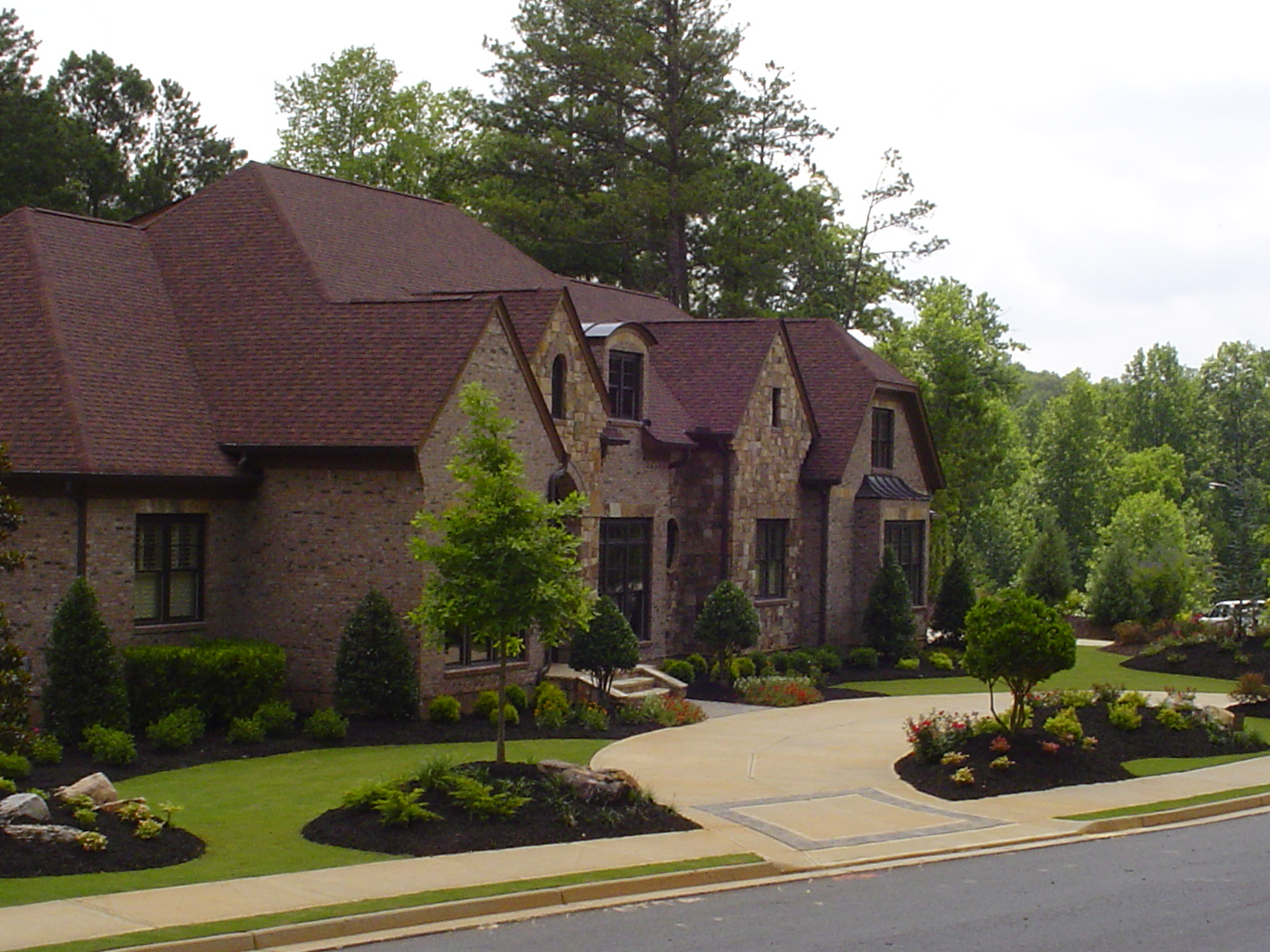
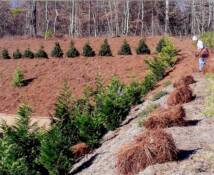
Mulching is one of the most important ways to support healthy Landscape plants.
Mulching
Benefits of Mulching:
- Mulch prevents loss of water from the soil by evaporation.
- Mulch reduce the growth of weeds.
- Organic mulch can improve the soil structure. As mulch decays, the material becomes topsoil.
- Decaying mulch also adds nutrients to the soil.
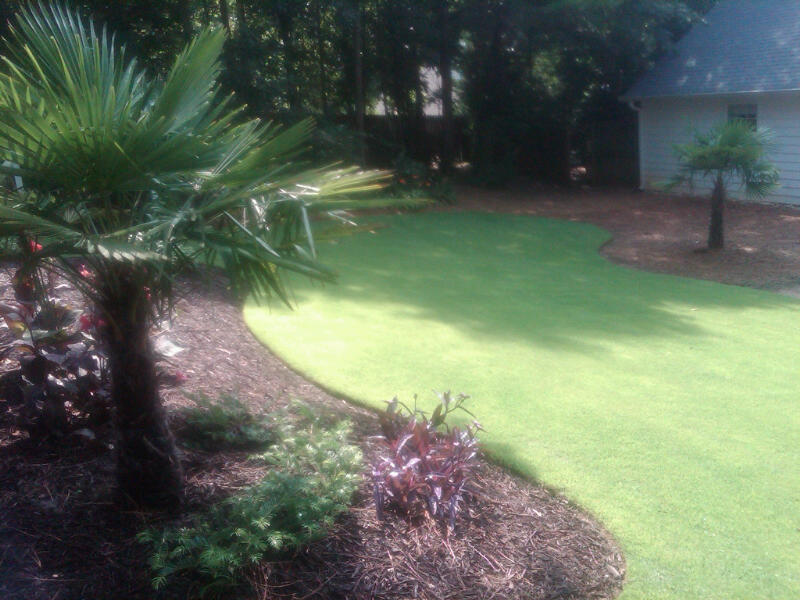
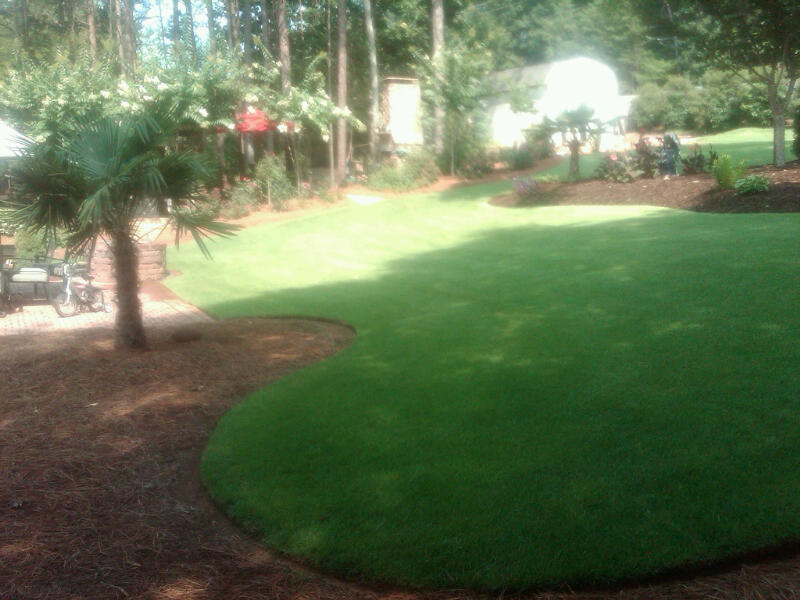
- Mulch can add to the beauty of the landscape by providing a cover of uniform color.
Types of Organic Mulch Materials:
In-organic Mulch Materials:
- Gravel, Pebbles and Crushed Stone: These materials are permanent and are best used for permanent plantings such as foundation plants. 1" layer of small rocks will offer good weed control. Do not use them around acid-loving plants since the rocks may add alkaline elements and minerals to the soil. These materials reflect solar radiation and can create a very hot Landscape environment during the summer months.
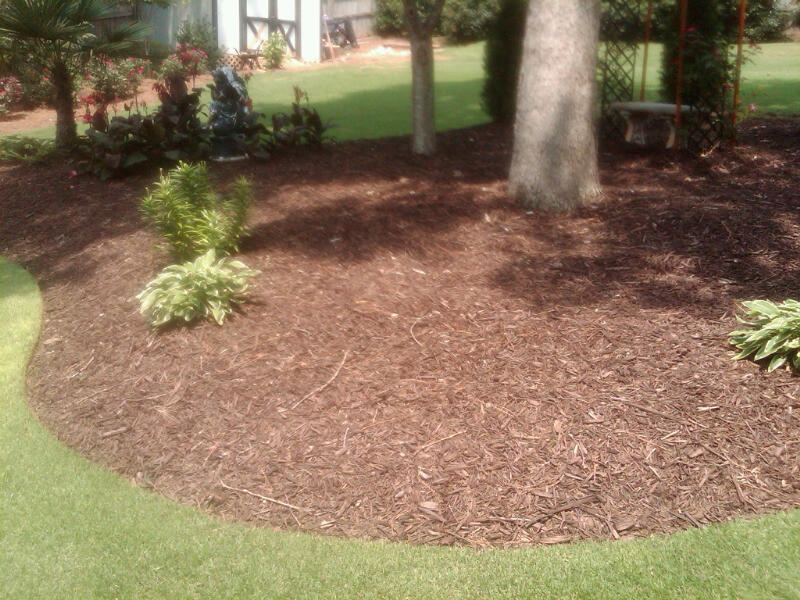
- Hardwood Mulch: This Mulch is good at suppressing weeds. It does not wash away easily as pine bark. It decomposes relatively slowly, and available in different colors..
Note: None maintenance clients: Ten yard minimum mulch, and One hundred bales minimum with fifty dollar delivery charge
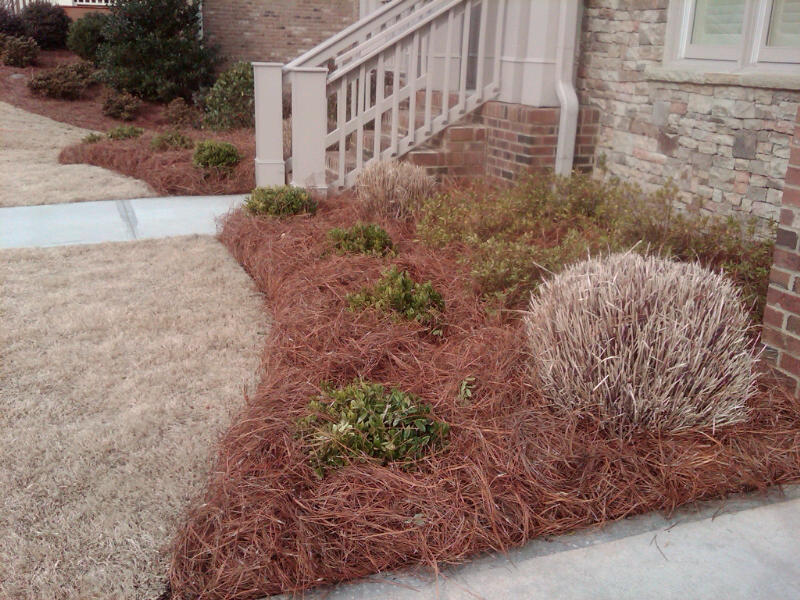
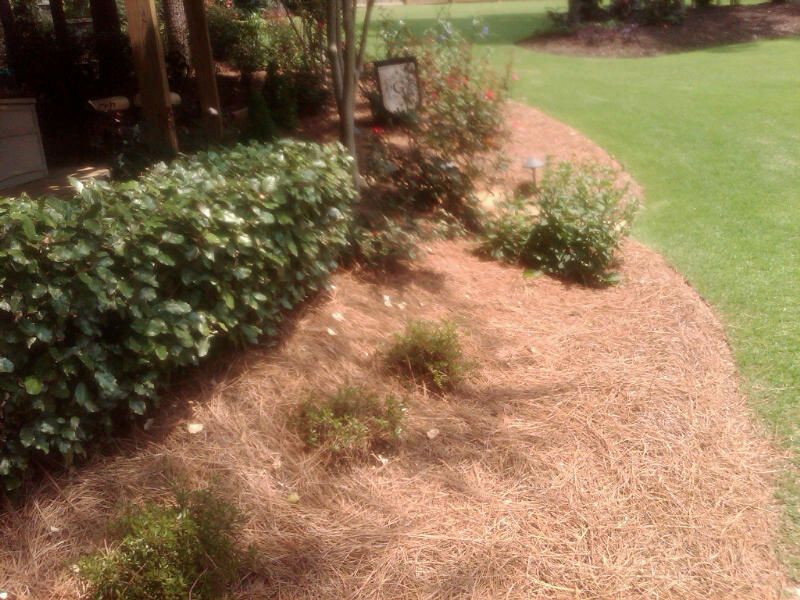
Pine Needles: 2-3 inch layer of Pine Straw makes an excellent mulch for acid-loving trees and shrubs. This mulch is very attractive and allows water to penetrate easily. Pine straw benefits the environment in the same way that decomposing leaves benefit the forest floor, by recycling nutrients and maintains soil organic matter in a compost like fashion.
